On International Women’s Day, the Migrants Rights Monitor (MRM) extends its respect and appreciation to women around the world, particularly migrant women who endure one of the harshest human experiences in search of safety and dignity. A migrant woman is not merely a number in migration statistics; she represents courage, determination, and a long struggle to transform her life and secure a better future for herself and her family.
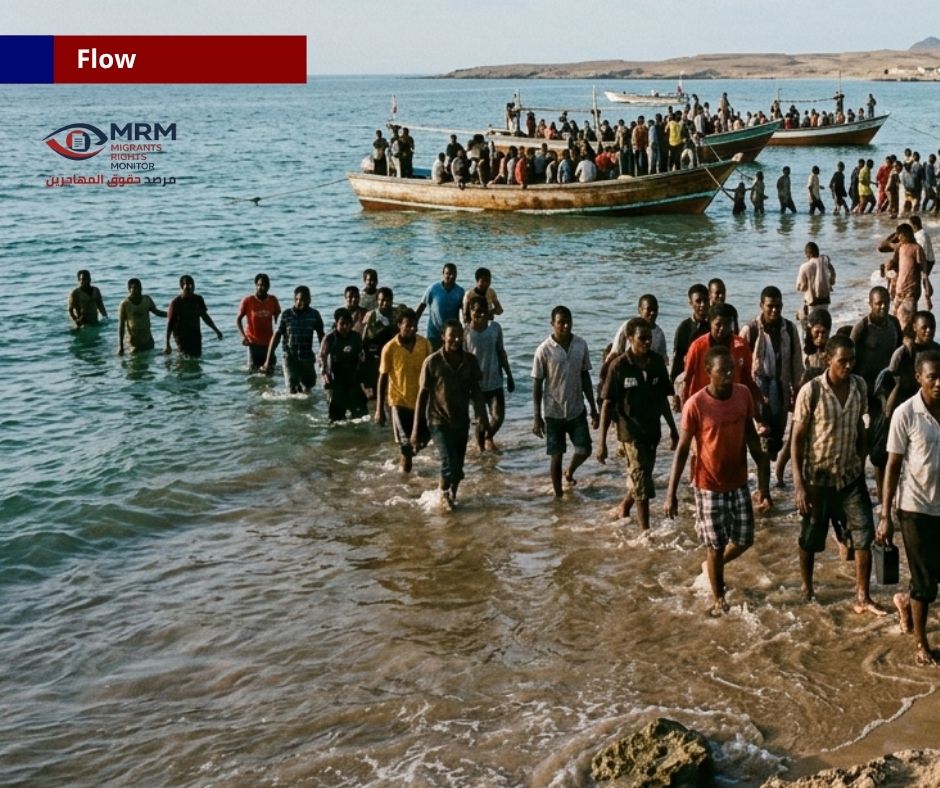
According to Migrants Rights Monitor, thousands of women from Ethiopia, Somalia, and other countries in the Horn of Africa undertake a difficult migration journey through Yemen, which has become a major transit route toward Gulf countries. Yet this journey is far from a simple geographic movement; it is a dangerous path stretching thousands of kilometers across land and sea, exposing women to exploitation and violence.
The journey often begins with crossing the Red Sea or the Gulf of Aden in fragile boats operated by smugglers who show little regard for the lives of those on board. Many of these journeys end in tragedy, with boats capsizing and women losing their lives at sea before ever reaching land. Migrants Rights Monitor has documented numerous cases of women dying during these crossings due to overcrowded vessels, poor weather conditions, or abandonment by smugglers in open waters.
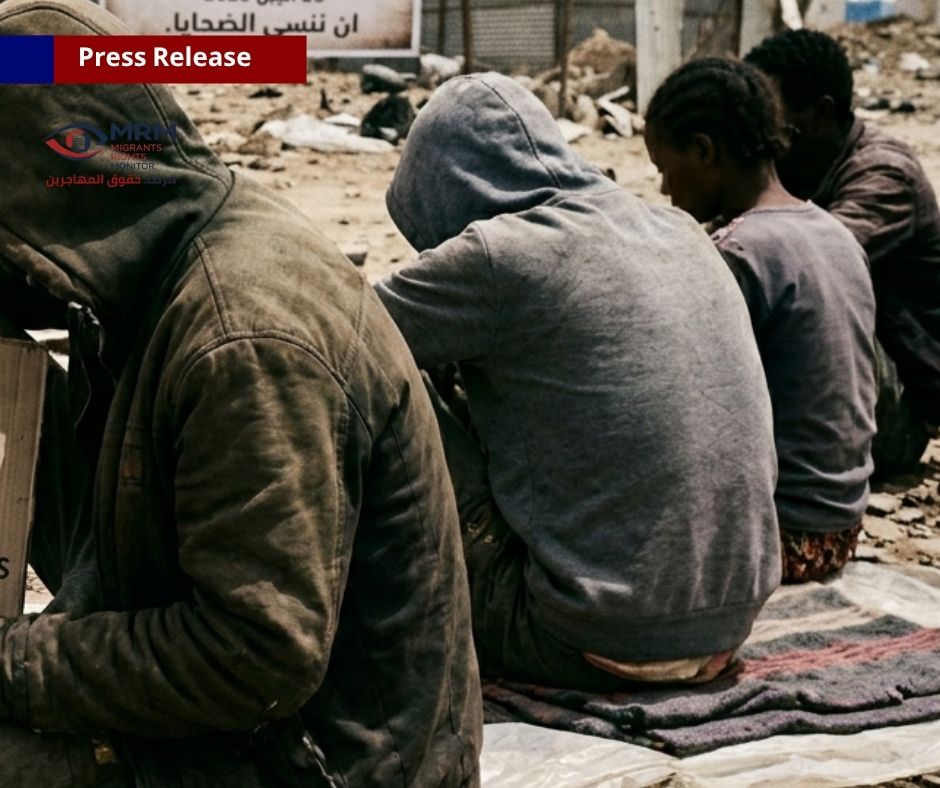
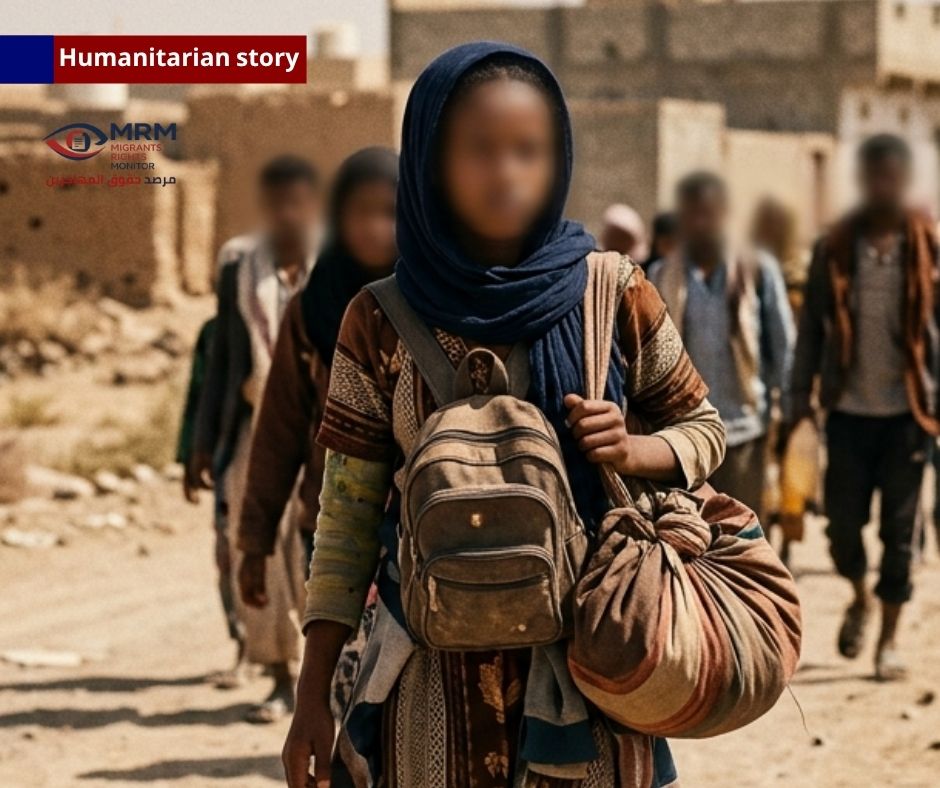
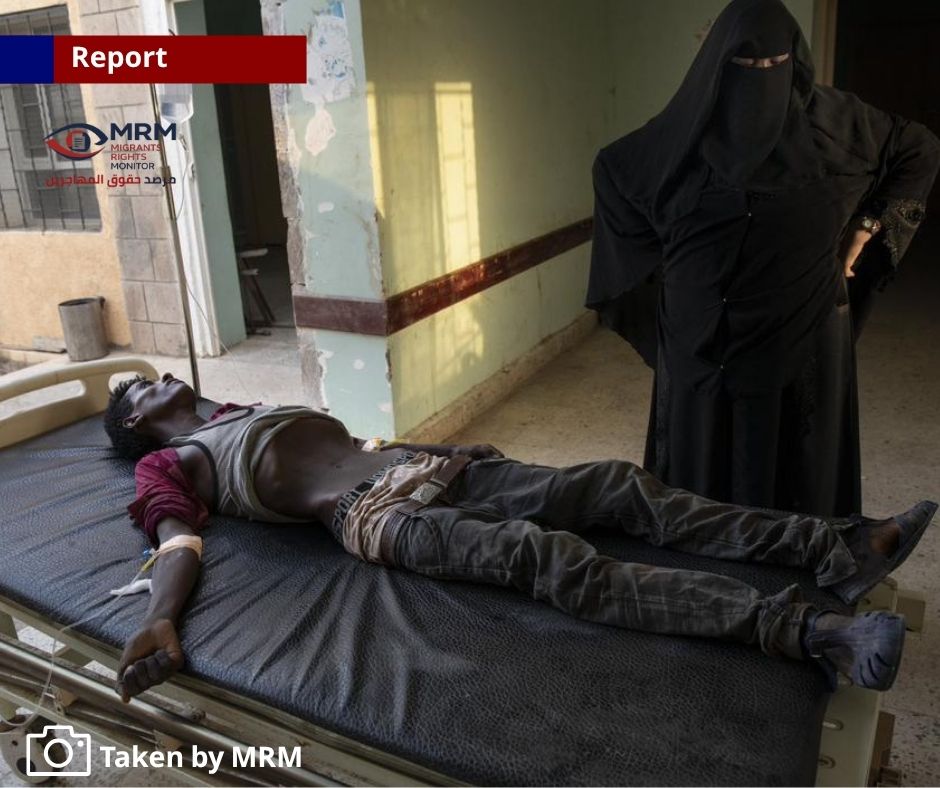
Those who survive the sea crossing rarely find safety upon reaching Yemen. Migration routes inside the country pass through harsh desert and mountainous terrain with little access to basic needs or humanitarian services. Women often walk for long hours under extreme heat with limited water, food, or medical care. Human rights organizations have documented cases of women dying along these routes due to exhaustion, dehydration, and hunger.
The vulnerability of migrant women makes them the weakest link along migration routes. Their physically weakened condition after long travel often multiplies their suffering compared to male migrants, particularly in the absence of protection or support networks. Migrant women face abuse from multiple actors, including fellow migrants, host communities, smuggling networks, and armed groups involved in the conflict.
Smuggling networks remain among the most dangerous actors exploiting migrant women. Many women are detained in hidden facilities or transported through dangerous routes for large sums of money. In many cases, migration becomes a form of human trafficking, where women face extortion, forced labor, and sexual exploitation.
Sexual violence remains one of the most severe forms of abuse affecting migrant women along migration routes. Many women experience harassment or rape during their journeys, inside detention facilities, or in areas controlled by smugglers. Some women arrive in Yemen pregnant as a result of sexual assaults endured during migration.
One migrant, whom we will call Haila to protect her identity, shared part of her experience after being detained by smugglers and subjected to sexual exploitation. She said:
“I never imagined that the path to a better life could be filled with so much pain. I thought I was traveling toward safety, but instead I found myself imprisoned in a place without mercy.”
The suffering of migrant women intensifies amid Yemen’s armed conflict. In areas controlled by Ansar Allah (Houthis), reports have documented cases of detention, torture, and extortion against migrants, including women.
Migrant women also face severe risks near Yemen’s northern borders, where reports have documented the use of lethal force by the Saudi Border Guard against migrants attempting to cross into Saudi Arabia.
In areas controlled by the internationally recognized Yemeni government, Migrants Rights Monitor has also documented concerning practices, including arbitrary detention of hundreds of migrants arriving in coastal cities, as well as forced evictions and displacement of migrants from their homes without providing alternative shelter.
Ali Mayas, Founder of Migrants Rights Monitor, stated:
“African migrants in Yemen—especially women—face grave abuses from multiple parties to the conflict while lacking even the most basic legal protection. Continued impunity fuels further violations and turns migration routes into open spaces for violence, exploitation, and systematic abuse.”
The stories of migrant women traveling through Yemen reflect courage and resilience, but they are also stories of suffering that must not be ignored. Migrants Rights Monitor (MRM) stresses that migrant women require special protection due to the compounded vulnerabilities they face within migration and armed conflict.
On International Women’s Day, it is not enough to celebrate women’s achievements; we must also stand in solidarity with the most vulnerable women, particularly migrant women risking their lives in search of a safer future.


Leave a Reply