The migration route from the Horn of Africa to Yemen is witnessing an alarming escalation in the suffering endured by African migrants, amid increasing security and humanitarian pressures along the journey. This is particularly evident with the continuation of forced returns carried out by Saudi border guards, pushing thousands of migrants back into Yemen, where they find themselves trapped in an unsafe environment lacking even minimal legal protection and basic humanitarian services.
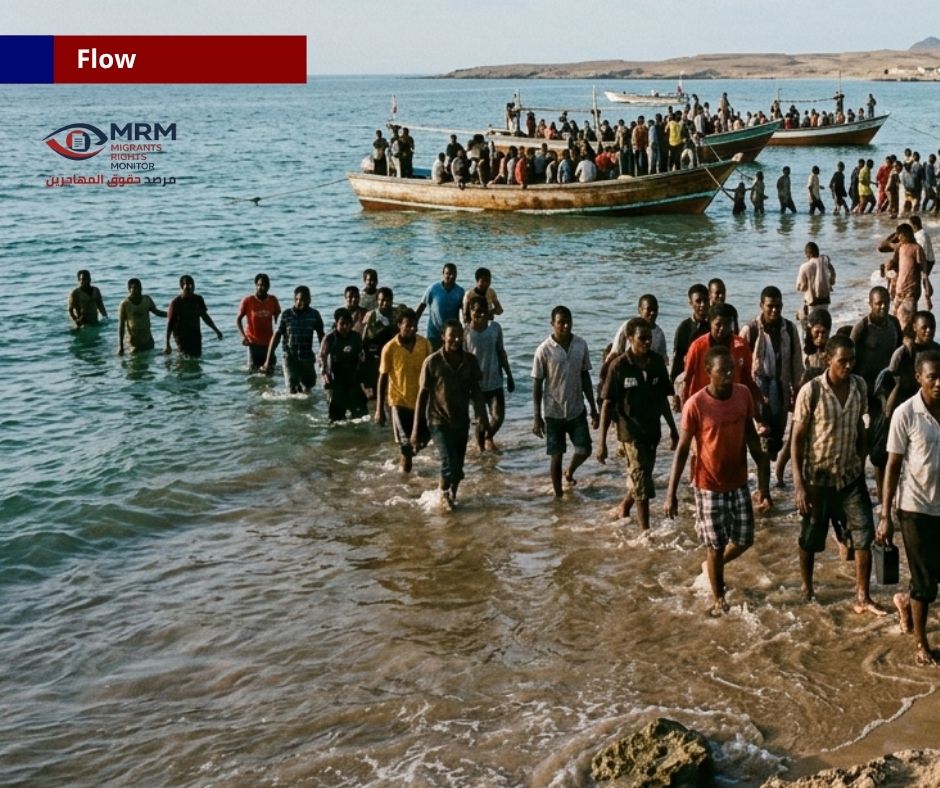
The 2025 Eastern Route Report issued by the International Organization for Migration reveals a complex migration landscape in the region, with hundreds of thousands of migrants continuing to move along this route, which is considered one of the most dangerous migration corridors in the world. The data indicates that more than 506,000 migrants departed their countries in 2025, marking a significant increase compared to the previous year, driven by persistent factors such as poverty, conflict, and lack of economic opportunities.
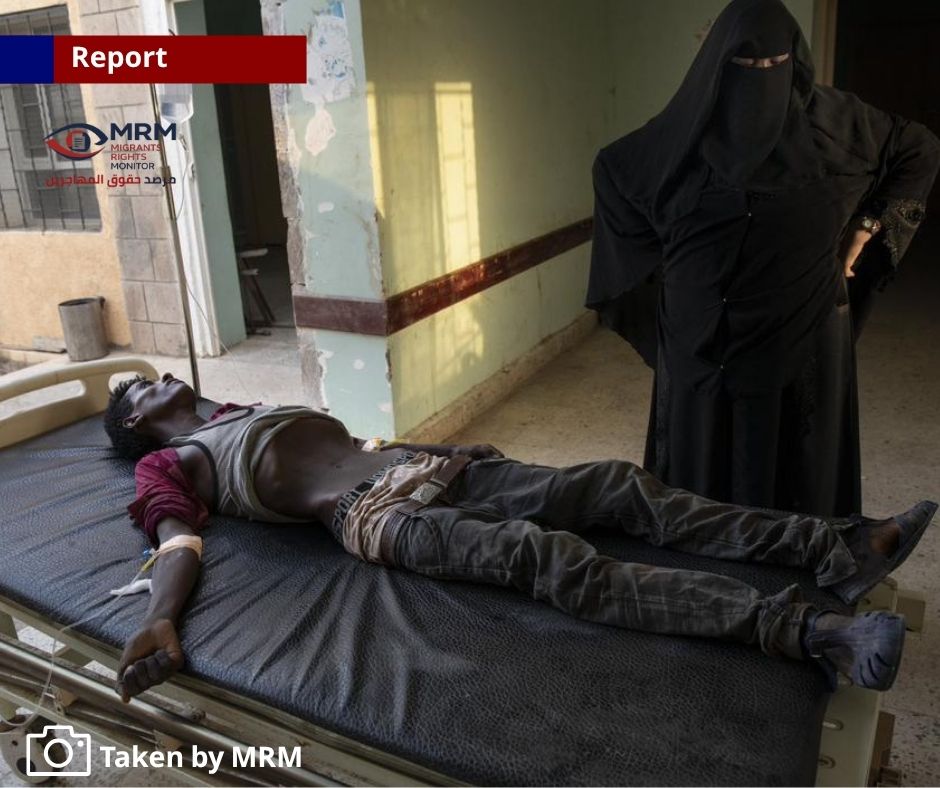
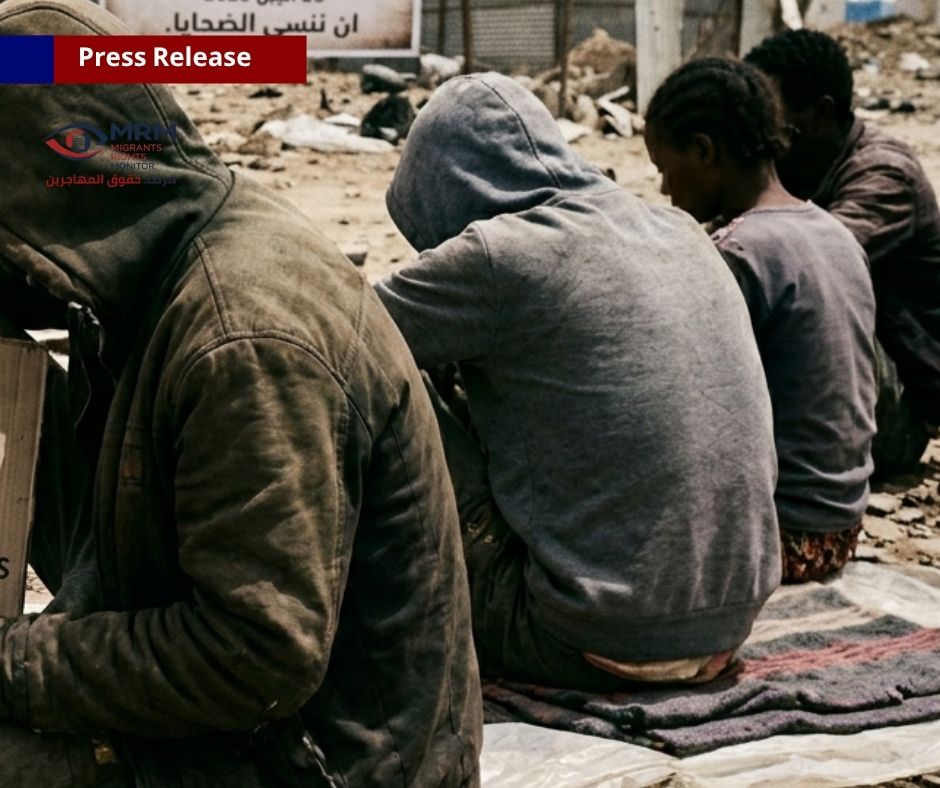
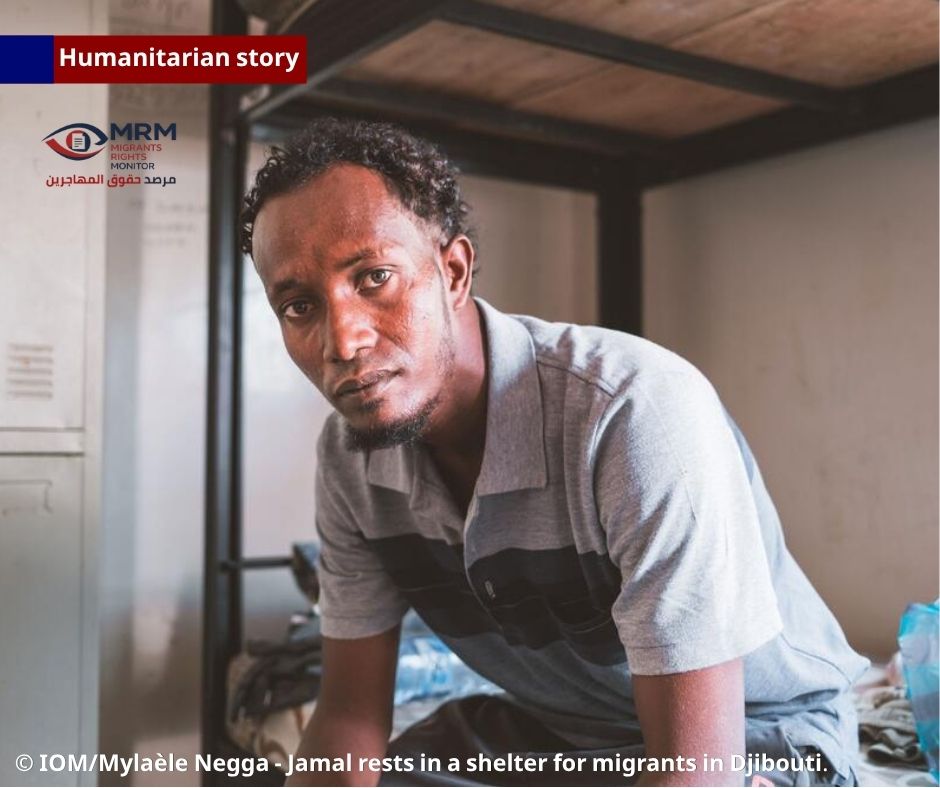
However, the other side of this movement is reflected in the growing number of stranded migrants. An estimated 132,000 migrants are currently in Yemen, living under extremely harsh conditions, unable either to continue their journey or return to their countries of origin. This reality reflects how Yemen has become a hostile environment that nonetheless traps migrants due to the absence of viable alternatives.
Migrants Rights Monitor (MRM) confirms that this figure reflects Yemen’s transformation into what resembles an “open-air detention zone,” where thousands of migrants find themselves unable to move forward or return, amid the absence of legal protection and the deterioration of humanitarian conditions, leaving them exposed to various forms of abuse and exploitation.
The report further highlights that migrants along this route face a wide range of risks, including armed violence, arrest, mistreatment, deportation, and dangers associated with unsafe transportation by land and sea. It also records a worrying increase in deaths and disappearances, with 922 cases documented in 2025—the highest number recorded since monitoring began.
Field data also indicates that migrants inside Yemen are subjected to multiple violations by different actors. In areas under the control of Ansar Allah (Houthi) group, backed by Iran, cases of arbitrary detention, mistreatment, and financial extortion against migrants—including women—have been documented, in addition to instances of forced labor under inhumane conditions. In areas under the control of the internationally recognized Yemeni government, practices have been reported involving the arbitrary detention of newly arrived migrants, as well as forced evictions and removals from their places of residence, leaving many displaced without adequate shelter or humanitarian assistance.
Along Yemen’s northern border, migrants face grave risks while attempting to cross into Saudi Arabia. Reports have documented the use of lethal force by Saudi border guards, including gunfire and shelling, resulting in deaths and injuries among migrants, including women and children, and forcing survivors back into Yemeni territory, where they once again face cycles of danger and abuse.
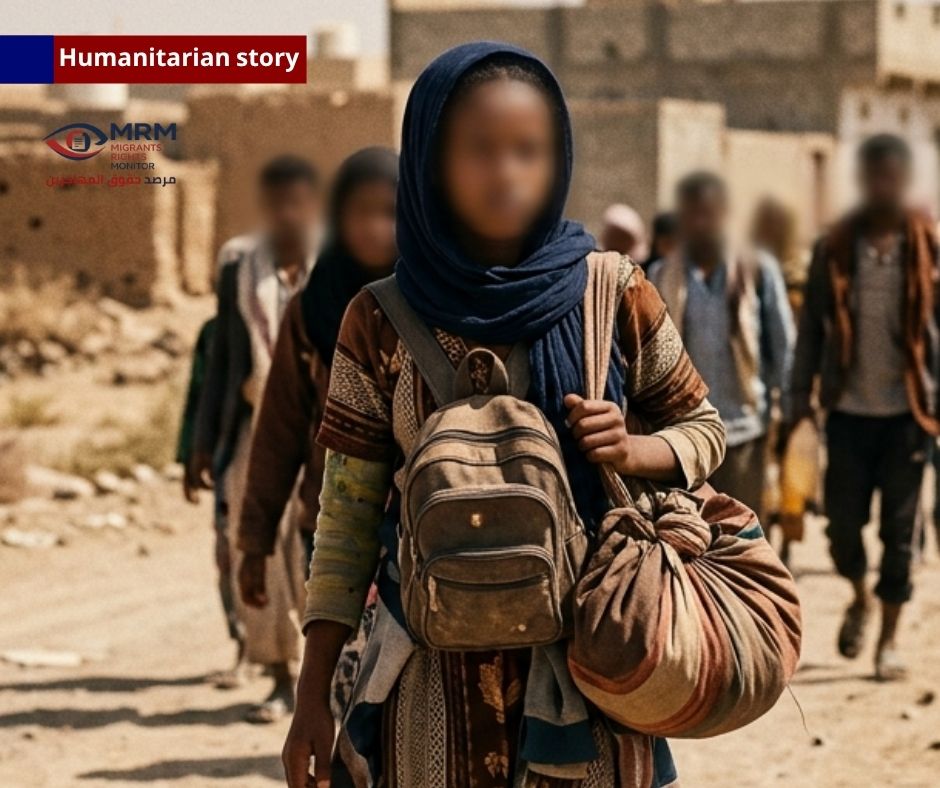
Women and children remain the most vulnerable groups in this context. Migrant women are exposed to various forms of violence, including sexual violence and exploitation by smuggling networks or during detention. Some women are forced to continue their journey while pregnant or accompanied by young children, in conditions lacking basic healthcare and essential services, compounding their physical and psychological suffering.
Unaccompanied children also face severe risks during migration, often becoming easy targets for exploitation, forced labor, and human trafficking, amid the absence of legal protection and limited humanitarian services. Data indicates that a significant proportion of children traveling along this route are unaccompanied, increasing their exposure to multiple dangers.
At the same time, the sharp increase in forced returns from Saudi Arabia to Ethiopia—exceeding 95,000 cases in 2025—reflects the scale of pressure faced by migrants and underscores that migration along this route has, in many cases, become a closed cycle of forced movement and prolonged suffering rather than a pathway to better opportunities.
These realities confirm that the migration crisis in Yemen is no longer merely a matter of population movement, but a complex humanitarian crisis shaped by armed conflict, weak state institutions, lack of legal protection, and the widespread presence of smuggling and human trafficking networks.
Migrants Rights Monitor (MRM) stresses the urgent need to strengthen humanitarian protection for migrants, ensure respect for their fundamental rights, and intensify international efforts to address the violations they face, with particular attention to the most vulnerable groups, especially women and children.
Source:
Eastern Route Report 2025, International Organization for Migration.


Leave a Reply