A landmark report documenting grave violations against African migrants transiting through Yemen
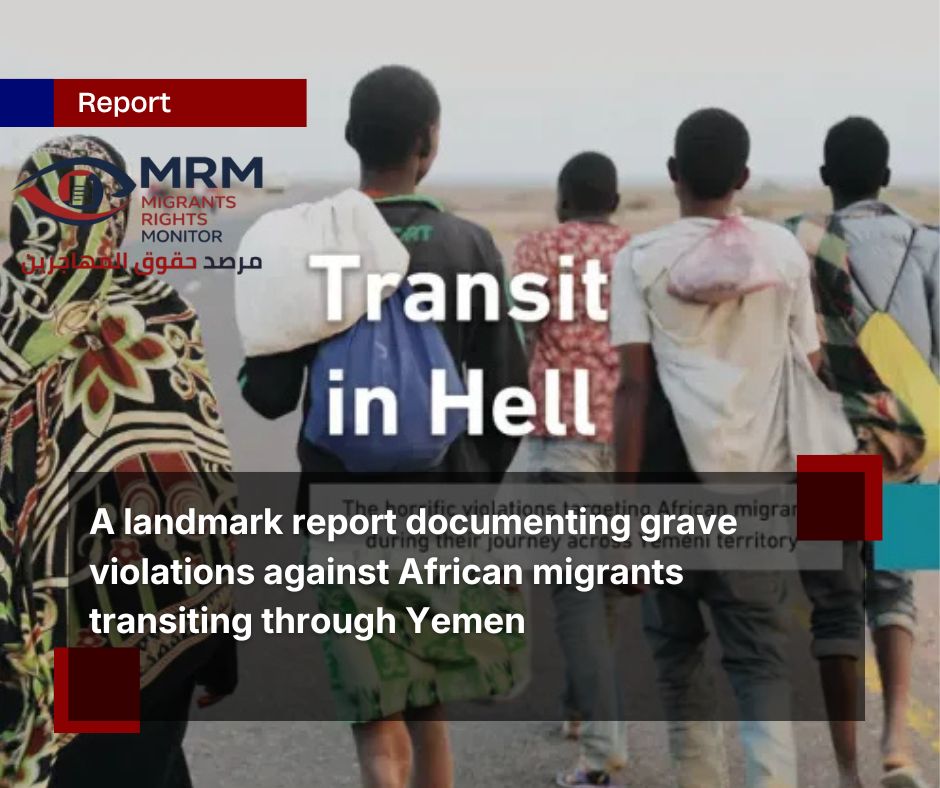
This report is a critical resource for researchers, human rights defenders, policymakers, and humanitarian actors. It provides rare, detailed, and well-documented insight into migration routes through Yemen and the systematic atrocities committed against African migrants. Through extensive fieldwork, survivor testimonies, and medical and eyewitness accounts, the report offers an in-depth understanding of the patterns of abuse, the actors involved, and the structural dangers faced by migrants in one of the world’s most violent conflict zones. As such, ‘Transit in Hell’ stands as an essential reference for anyone studying forced migration, conflict-related abuses, and accountability gaps in Yemen.
Two years ago, on the occasion of the International Day for Migrants in 2023, Mwatana for Human Rights released its report “Transit in Hell,” documenting a fraction of the horrifying violations committed against African migrants during their passage through Yemeni territory. In its accompanying statement, Mwatana urged all parties to the Yemeni conflict to immediately cease targeting migrants, respect their dignity and rights, and put an end to the widespread abuses committed by human trafficking and smuggling networks operating in areas under their control.
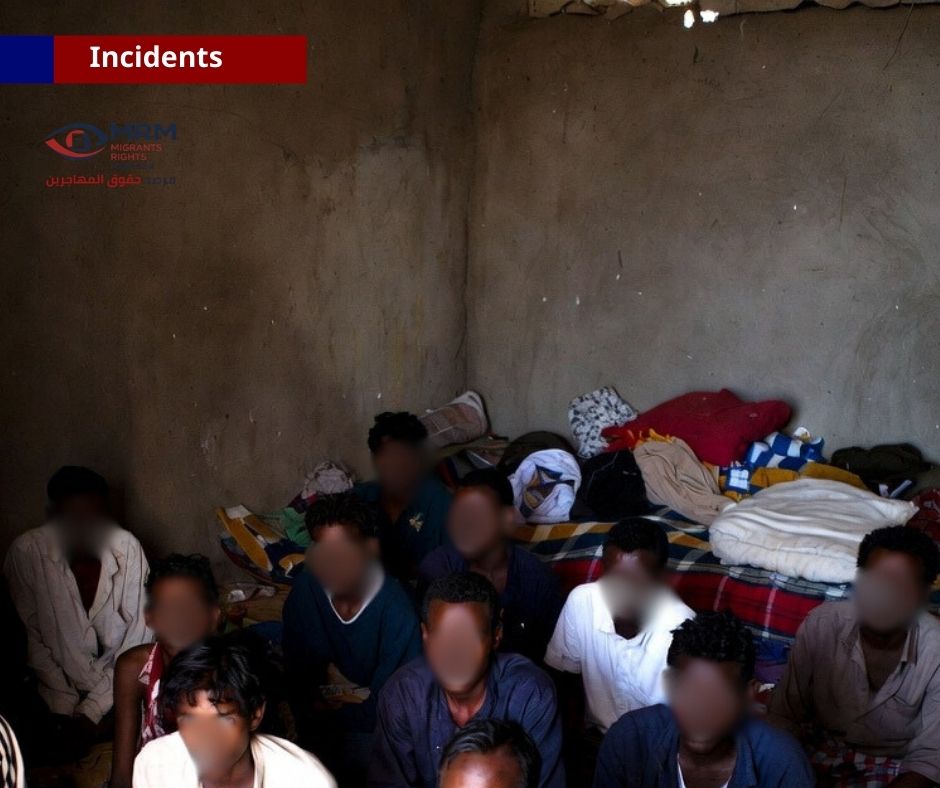
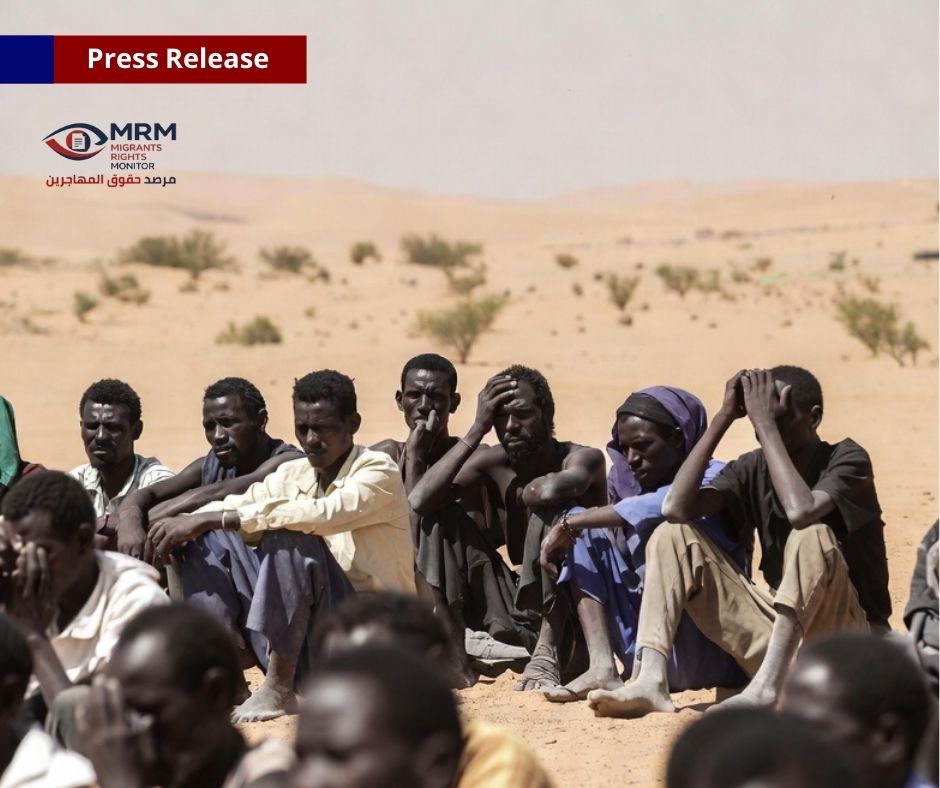
The report documents serious violations committed against African migrants, including killings, mutilation, torture, arbitrary detention, enforced disappearance, sexual violence and exploitation, forced recruitment, deportation, and extortion. Responsibility for these abuses is attributed to a wide range of actors, including Saudi Border Guard Units, coalition forces, Ansar Allah “The Houthis” backed by Iran, armed formations affiliated with the Southern Transitional Council, forces and entities linked to the internationally recognized government, as well as organized human trafficking and smuggling gangs.
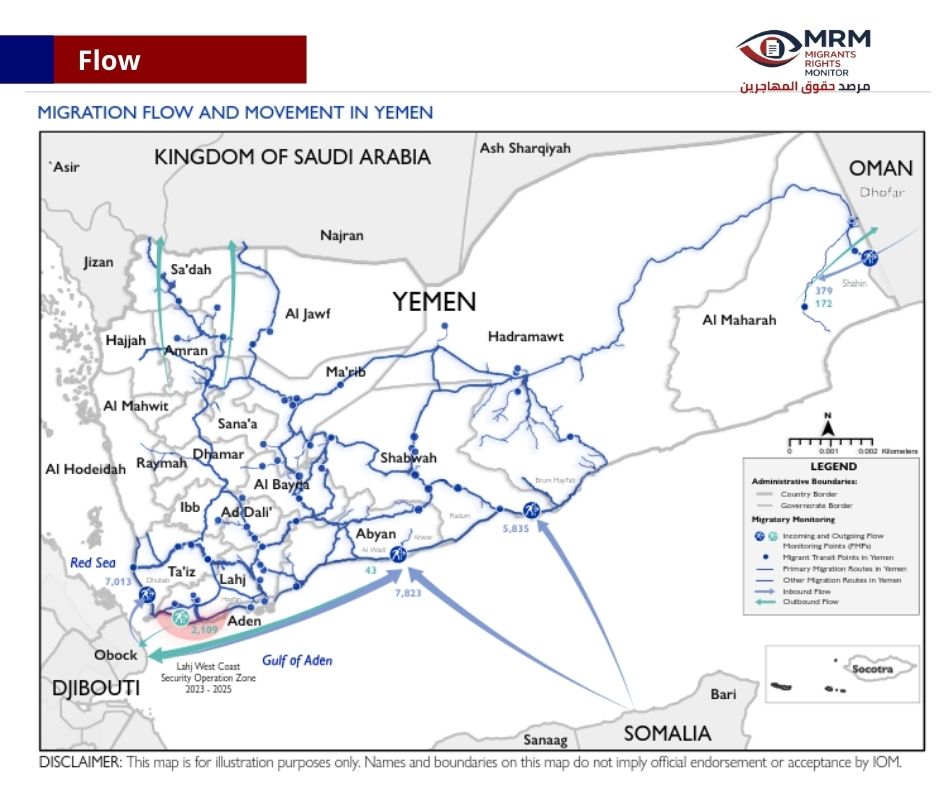
In Transit in Hell, Mwatana meticulously examined 112 documented violations, including 88 incidents attributed to conflict parties and 24 cases linked to trafficking and smuggling networks. The findings are based on 155 interviews conducted with migrant survivors, relatives of victims, eyewitnesses, rescuers, and healthcare workers. The report traces violations along migrants’ routes by land and sea, beginning at Yemeni coastal entry points, extending through internal transit corridors, and ending at the Yemeni–Saudi border.
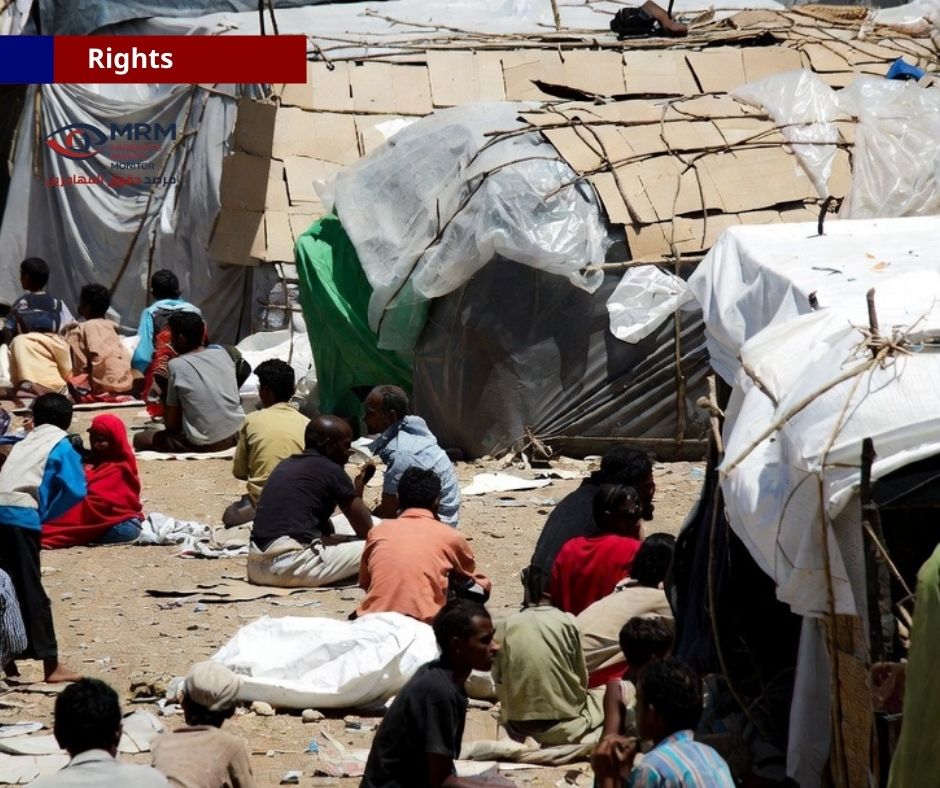
Beyond direct violence, the report highlights the extreme humanitarian suffering endured by migrants as a result of route closures, shifting frontlines, landmines, explosive remnants of war, and Yemen’s territorial fragmentation among competing armed actors. These conditions force migrants to walk hundreds of kilometers with minimal access to food, water, shelter, or medical care. Many become stranded for months, unable to move forward to Gulf countries or return to their countries of origin.
The report includes harrowing survivor testimonies detailing abduction, prolonged detention, torture, sexual violence, extortion, and attacks on migrant detention centers. It also documents cross-border shootings and the discovery of migrant bodies near the Saudi border, supported by medical reports indicating gunshot wounds and clear signs of torture.


Leave a Reply