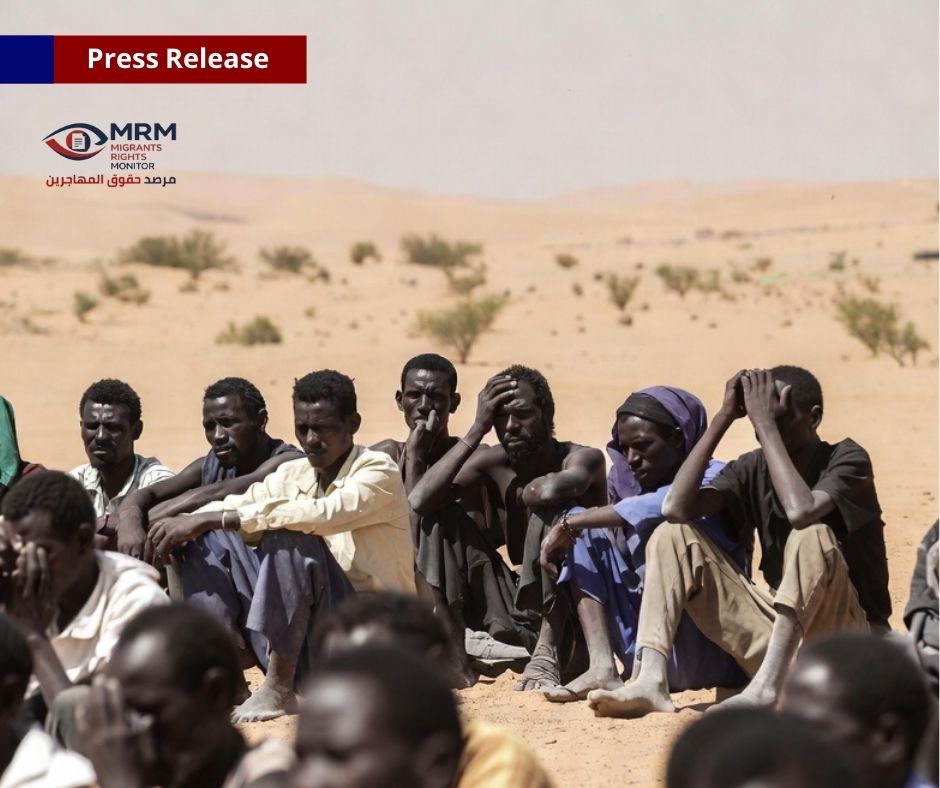
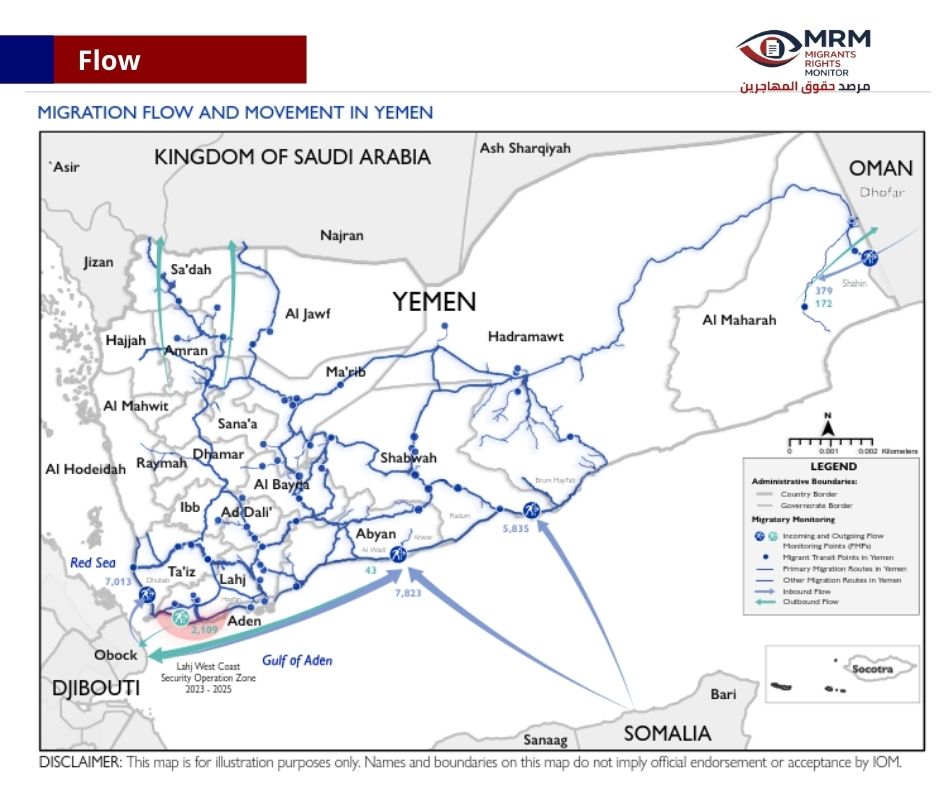
Access to safe and adequate shelter is one of the most fundamental human rights. African migrants in Yemen face severe challenges in securing this right amidst a complex humanitarian crisis, worsened by armed conflict, institutional breakdown, and lack of basic services. Yemen remains a major transit route for migrants from the Horn of Africa, hosting thousands of migrants either attempting to reach Gulf countries or stranded in unsafe conditions. According to estimates by the International Organization for Migration (IOM), tens of thousands of migrants remain trapped in Yemen under unstable conditions, with very limited housing and protection options on the ground.
In this context, the city of Aden stands out as a stark example of migrant hardship in Yemen. In past years, an effective shelter center operated by IOM in Aden provided temporary accommodation and essential services for vulnerable migrants, as part of coordinated humanitarian response efforts with local and international partners. The center offered residents critical support, including temporary housing, healthcare, psychosocial care, and assistance with voluntary return for those wishing to go back to their home countries.
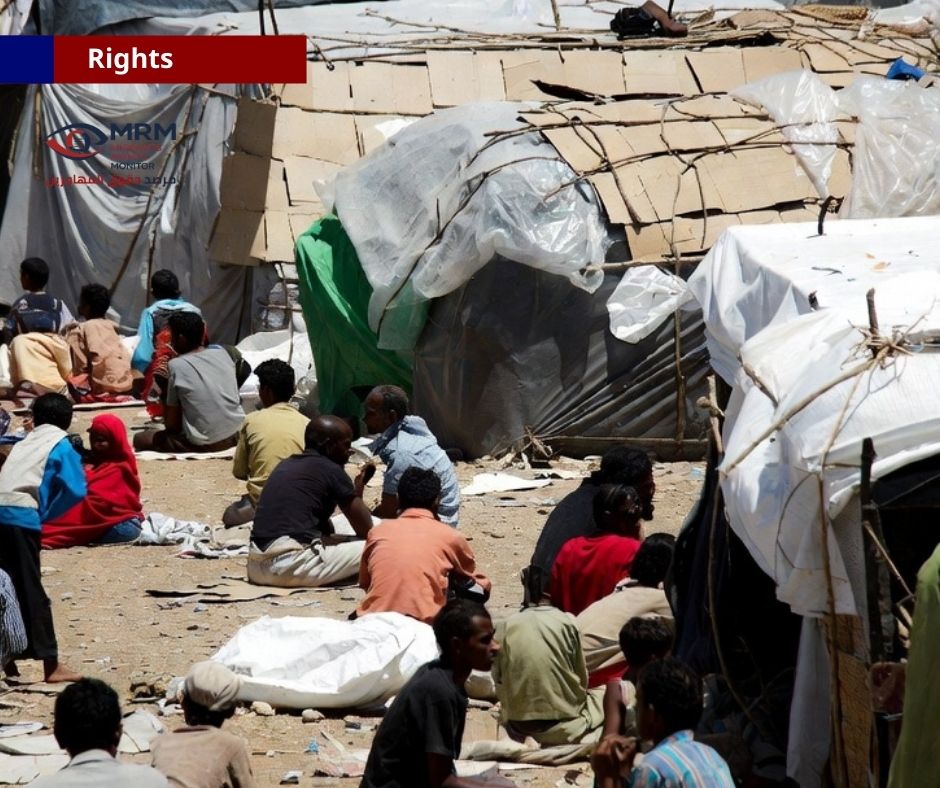
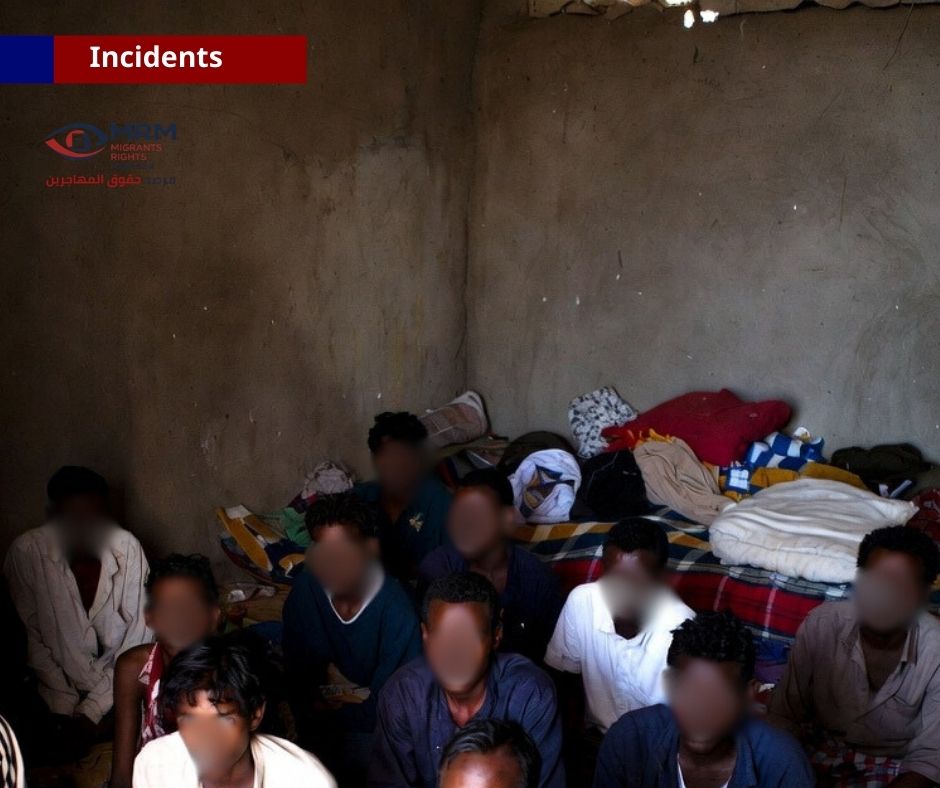
However, in recent years, this vital shelter was closed, leaving hundreds — and likely thousands — of migrants without sustainable housing solutions. As a result, many now rely on informal settlements in neighborhoods such as Al-Basateen in Dar Saad district, where thousands of migrants live in overcrowded and inadequate conditions, or sleep outdoors on the streets and sidewalks without protection from the elements. Reports indicate that Yemen continues to host large numbers of refugees, asylum seekers, and other African migrants without stable accommodation or guarantees of safety.
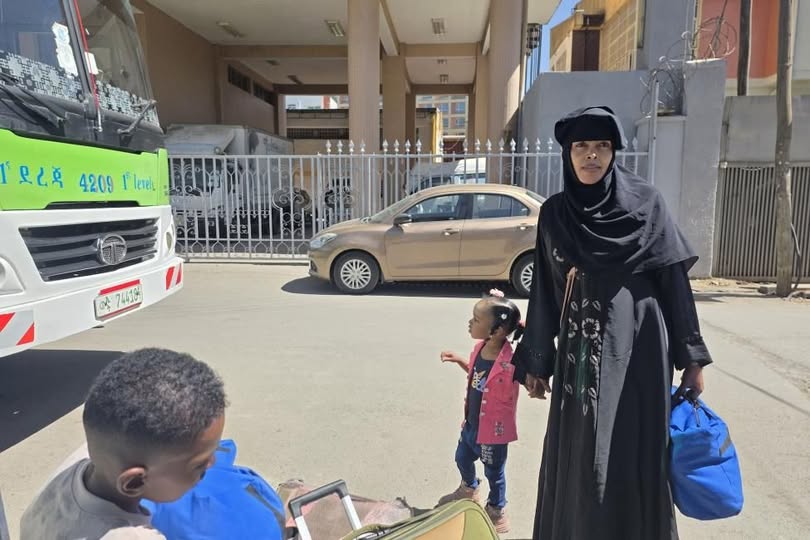
This situation worsens particularly during the hot summer months, when temperatures reach extremely high levels, increasing health risks, especially for women and children, who often lack shelter from the scorching sun or sandstorms. Researchers and journalists have documented that many migrants sleep on sidewalks in Sheikh Othman district or in cramped, unsuitable spaces, making access to basic services such as clean water and healthcare extremely difficult.
What occurs in Aden is not an isolated case; it reflects a broader reality experienced by African migrants in other governorates such as Rada’a in Al-Bayda, Marib, and other points along the migration routes heading north toward Saudi Arabia or seeking temporary shelter within Yemen. In these areas as well, many face severe shortages of adequate housing, basic services, and legal protection, leaving them vulnerable to exploitation and violence, while hindering their ability to integrate or access sustainable solutions.
Organizations such as INTERSOS highlight that migrants in Yemen face multiple risks, including malnutrition, lack of shelter, weak healthcare services, and exposure to exploitative and hazardous labor without contracts or protection. They also note that smuggling networks and physical attacks further exacerbate migrants’ vulnerability in an already unstable environment.
Based on these realities, the right to safe shelter for African migrants in Yemen remains inadequately guaranteed and requires urgent escalation of humanitarian efforts. This includes reopening secure reception centers in Aden and other cities, improving access to essential services, and ensuring legal and social protection for migrants, while respecting their human dignity at every step.
Sources and References
- IOM – Migrant support, shelter, and humanitarian response in Yemen
- IOM – Example of the shelter center in Aden and its role in supporting migrants
- UNHCR – Data on refugees, migrants, and asylum seekers in Yemen
- INTERSOS – Report on the conditions and humanitarian needs of migrants in Yemen
- General estimates of stranded migrants in Yemen under the Regional Response Plan (IOM)


Leave a Reply