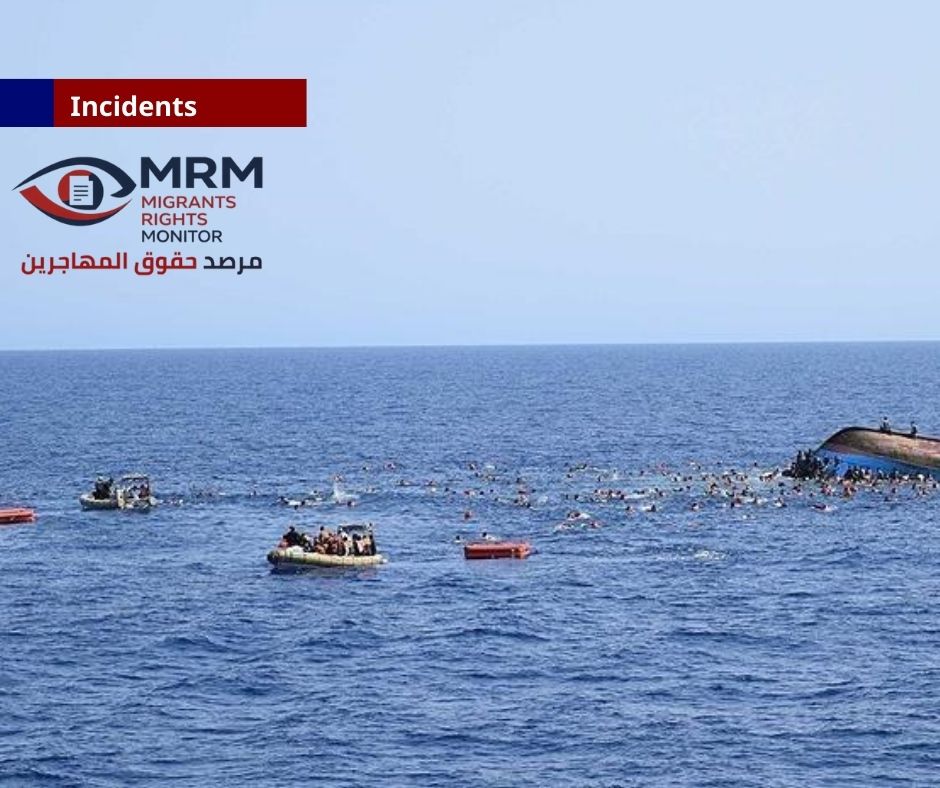
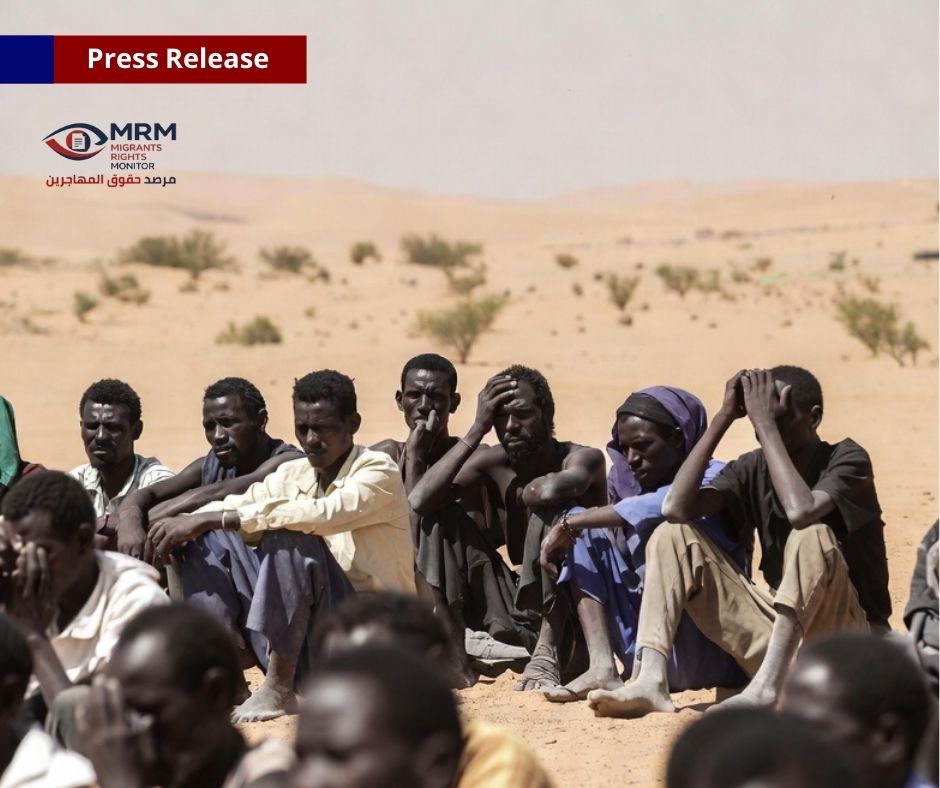
The repeated drowning of African migrants off the Yemeni coast continues to represent one of the most tragic and neglected humanitarian crises in the region. These incidents leave behind deep grief and suffering among victims’ families and survivors, while exposing serious gaps in protection, prevention, and emergency response mechanisms.
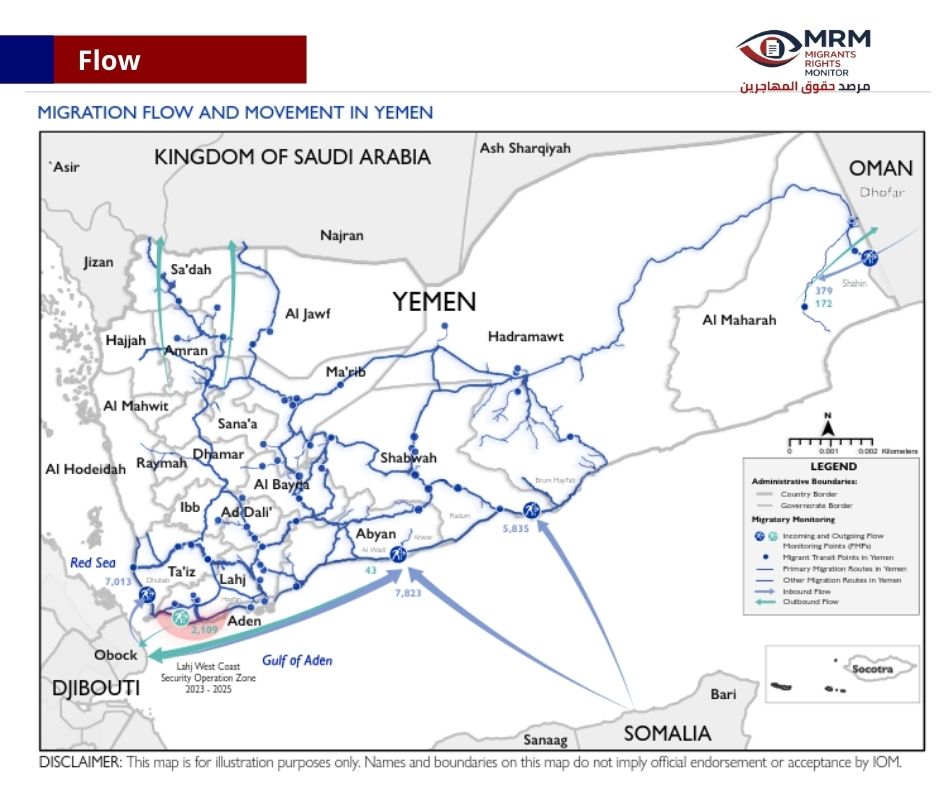
Over the past decade, amid ongoing armed conflict and institutional fragility in Yemen, the maritime migration route from the eastern Horn of Africa to Yemen has become increasingly deadly. Despite being inherently dangerous, this route continues to be used by hundreds of thousands of African migrants, many of whom rely on irregular journeys organized by criminal smuggling networks, placing them at extreme risk of drowning and other grave violations.
Smuggling and human trafficking gangs routinely transport migrants in unseaworthy fishing boats, without basic safety equipment or emergency preparedness, demonstrating blatant disregard for human life.
Recurring incidents and expanding geographic scope
On 8 June 2024, a boat carrying approximately 260 Somali and Ethiopian migrants capsized off the coast of Yemen near Ain Bam’abad area in Shabwah Governorate. More than 49 migrants, including women and children, lost their lives, while around 140 people were reported missing, according to the International Organization for Migration.
In late July 2024, another tragic incident was verified by the UNHCR, when a boat carrying 45 asylum seekers capsized off the coast of Taiz Governorate, leaving only four survivors. Overloading and strong winds were cited as contributing factors.
In August 2025, the pattern tragically continued. More than 50 African migrants lost their lives after a boat carrying around 150 migrants capsized in the Arabian Sea off the coast of Ahwar district in Abyan Governorate. According to reports published by Reuters, 54 bodies were recovered, only 10 migrants survived, and search and rescue operations were ongoing. The incident was caused by severe weather conditions and strong winds, once again highlighting the deadly consequences of unsafe maritime crossings.
These incidents confirm that 2025 witnessed multiple deadly shipwrecks, affecting different coastal governorates, from Shabwah and Taiz to Abyan, reflecting an expanding geographic risk zone and the systematic nature of the danger faced by migrants.
Responsibility of smuggling and trafficking networks
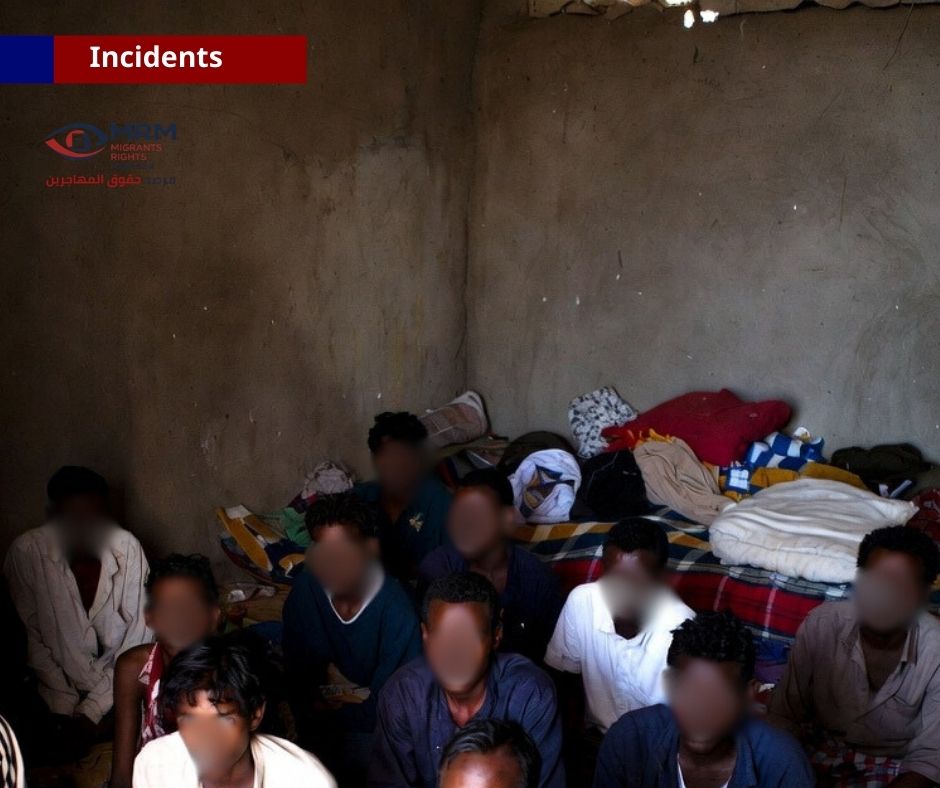
Criminal smuggling and human trafficking networks bear primary responsibility for these tragedies. By overcrowding small, unsafe boats far beyond their capacity, these gangs significantly increase the risk of capsizing at sea. Migrants are routinely subjected to multiple forms of abuse, including extortion, torture for ransom, sexual violence, forced labor, arbitrary detention, and, in many cases, death.
These networks profit from human suffering while operating with near-total impunity, underscoring the urgent need for accountability and coordinated action to dismantle their operations.
Gaps in response and the need for civilian preparedness
The recurrence of mass drowning incidents demonstrates the absence of an effective, proactive response system along Yemen’s coast. There is an urgent need to establish specialized civilian emergency response teams, equipped with rescue boats, first-aid supplies, and communication tools, capable of intervening immediately when incidents occur.
Such teams should be integrated within coastal health facilities and high-risk areas, including Ras al-Ara and Al-Mudharaba district in Lahj Governorate, Radhum district in Shabwah Governorate, Mokha district in Taiz Governorate, and Ahwar district in Abyan Governorate. Strengthening early-warning mechanisms and rapid deployment capacity is essential to saving lives.
Advocacy, solutions, and support for local authorities
Addressing these repeated tragedies requires more than humanitarian sympathy; it demands sustained advocacy and practical solutions. Human rights organizations, international agencies, and donor states must intensify efforts to:
- Support and train local authorities and health facilities in emergency maritime response
- Strengthen the operational capacity of the Yemeni Coast Guard through equipment, coordination, and technical assistance
- Enhance cross-border cooperation to combat smuggling and trafficking networks
- Ensure survivor-centered responses, including medical care and psychological support, particularly for children
Survivors of shipwrecks often suffer severe psychological trauma, witnessing the drowning of relatives and fellow migrants. Long-term psychosocial support must be recognized as an essential component of post-disaster response.
Looking ahead: 2026 as a year of preparedness and accountability
Given the well-documented recurrence of drowning incidents, 2026 must mark a shift from reactive response to proactive preparedness. The international community, humanitarian actors, and Yemeni authorities can no longer claim lack of knowledge. The patterns are clear, the risks are known, and information regarding large numbers of victims continues to emerge.
Failure to act decisively in 2026 would constitute not only a humanitarian failure, but a moral and legal one. Preventable deaths at sea demand accountability, preventive action, and sustained commitment to protecting the lives and dignity of migrants.


Leave a Reply