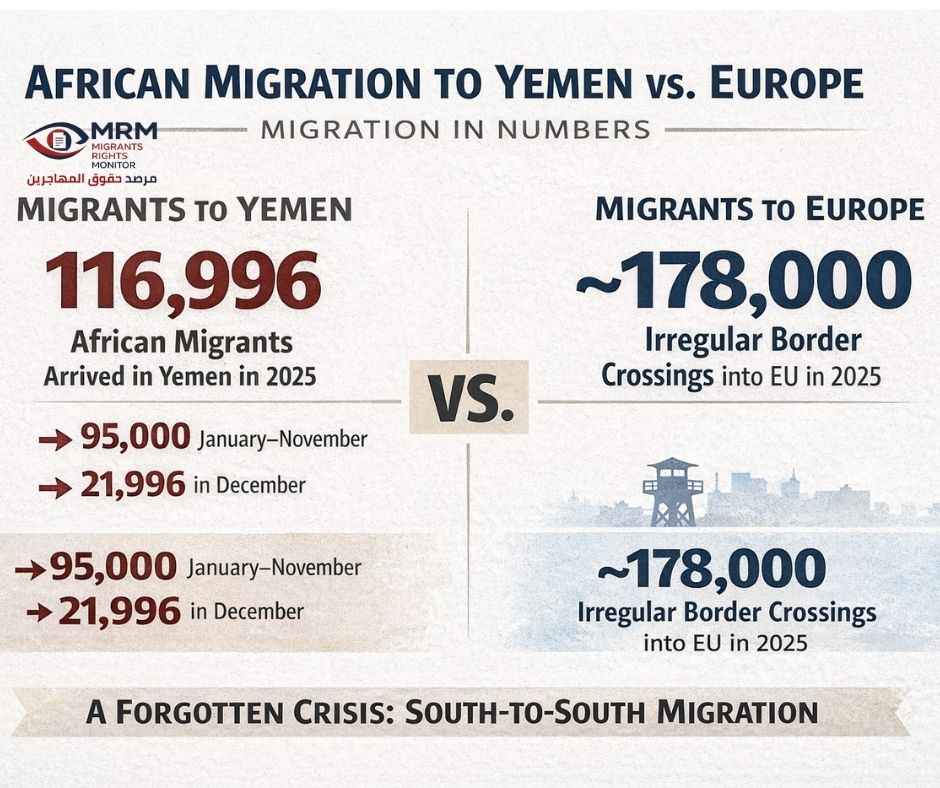
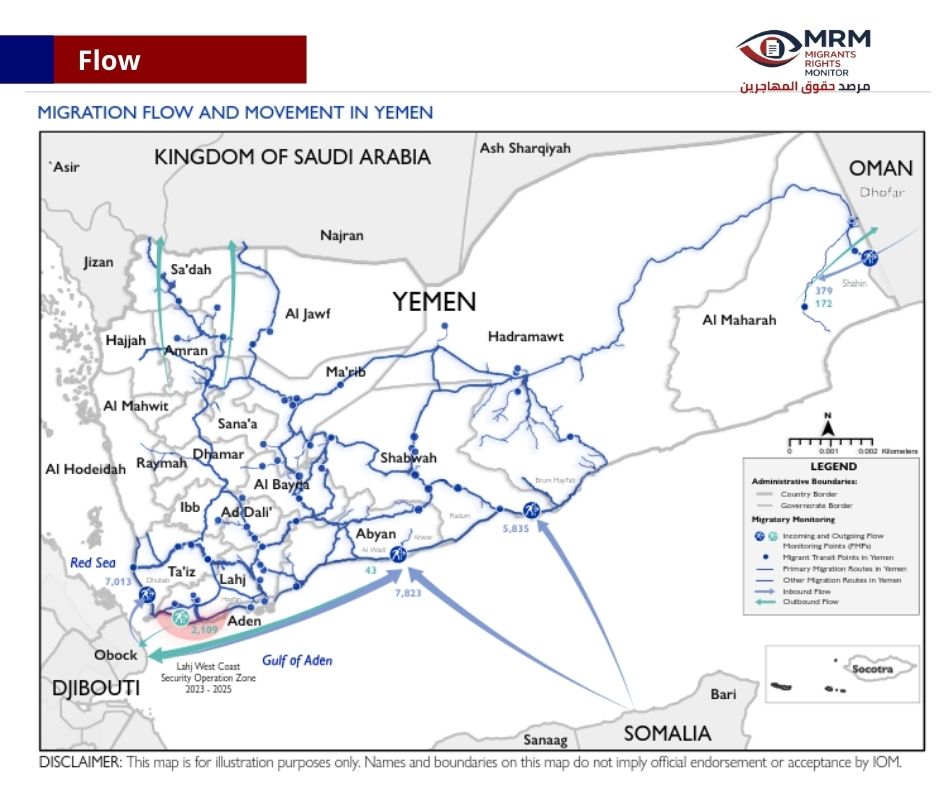
While the world often focuses on migration from the Global South to Europe, one of the largest and most perilous migration routes remains largely invisible: the journey of African migrants to Yemen. According to the International Organization for Migration (IOM), approximately 116,996 African migrants arrived in Yemen in 2025 — 95,000 between January and November, with an additional 21,996 in December. By comparison, the European Border and Coast Guard Agency (Frontex) recorded around 178,000 irregular border crossings into the EU in the same year. These figures reveal a striking reality: Yemen, despite enduring one of the world’s worst humanitarian crises, functions as a major transit hub for regional migration, yet it receives limited international attention.
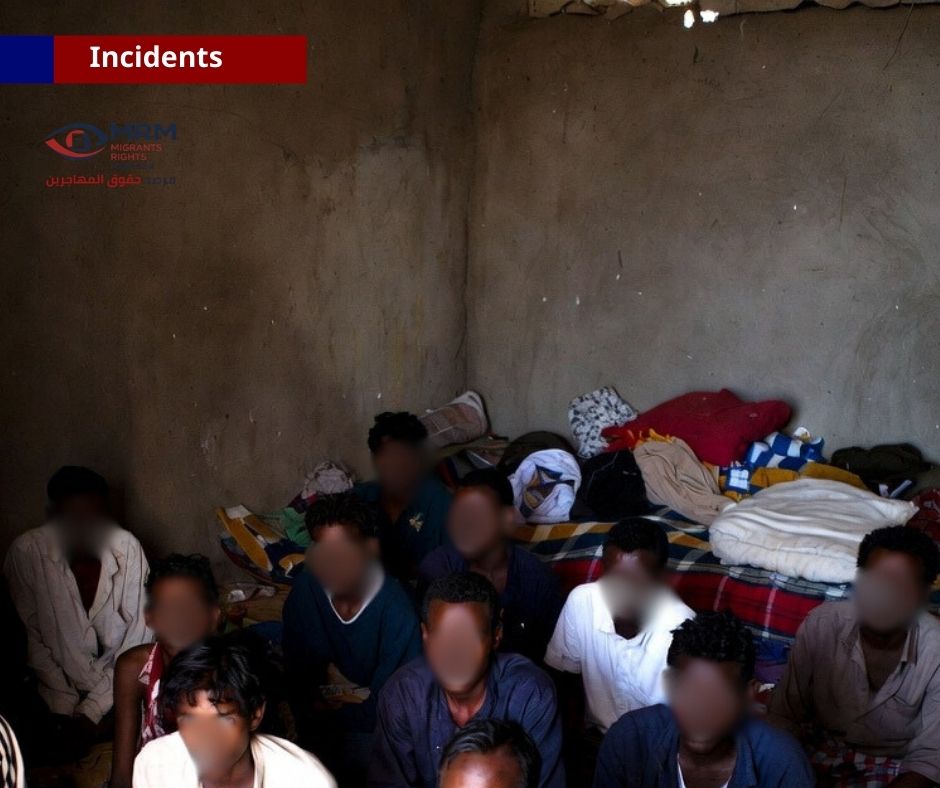
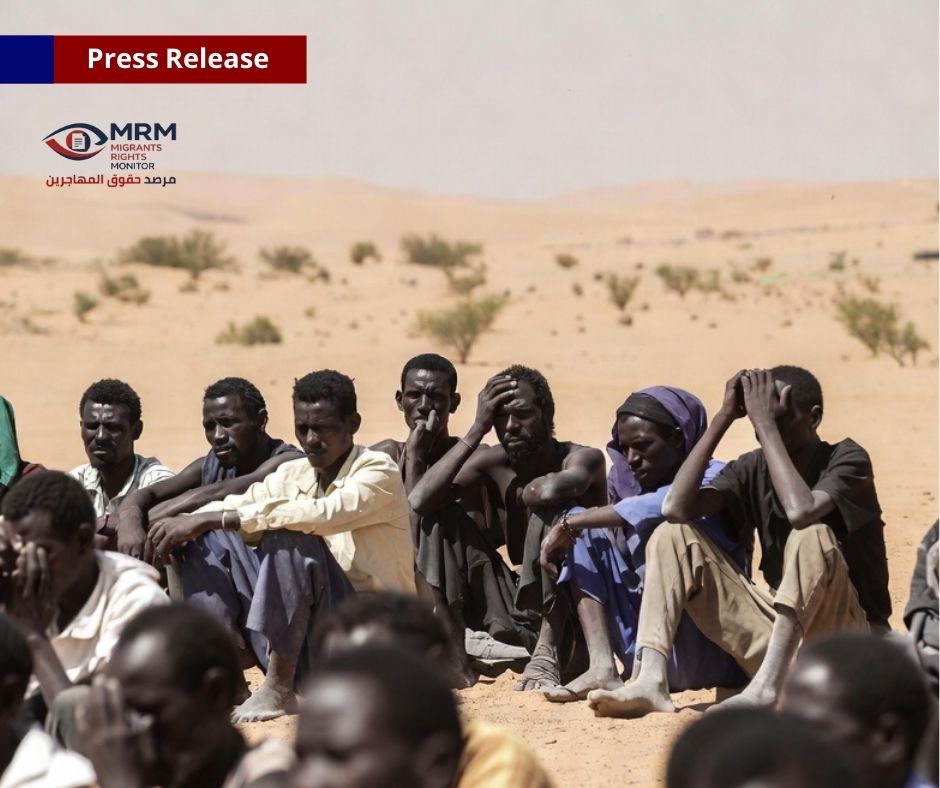
Since the outbreak of conflict in 2014, Yemen has been fragmented under the control of multiple armed actors, including the internationally recognized government, Iran-backed Houthi forces, and other local militias. The ongoing war has caused widespread insecurity, the collapse of basic services, and left millions dependent on humanitarian assistance. Migrants arriving from the Horn of Africa enter a country where armed groups, smugglers, and human trafficking networks operate freely, exposing them to extreme risks. Many African migrants face arbitrary detention, abuse, and are forced onto overcrowded boats, suffering physical injuries, dehydration, and psychological trauma while fleeing poverty, conflict, and persecution.
The dangers extend beyond the sea. Migrants are also exposed to violations linked to Yemen’s ongoing conflict, including deaths from air and ground strikes across various regions, particularly along the Yemen-Saudi border, where Saudi border forces have committed abuses against African migrants, in addition to landmines planted by Iran-backed Houthi forces and forced displacements carried out by parties to the conflict. Hundreds of African migrants have died at sea off Yemen’s coast, while dozens more have perished from starvation, dehydration, or getting lost during overland journeys toward northern Saudi Arabia.
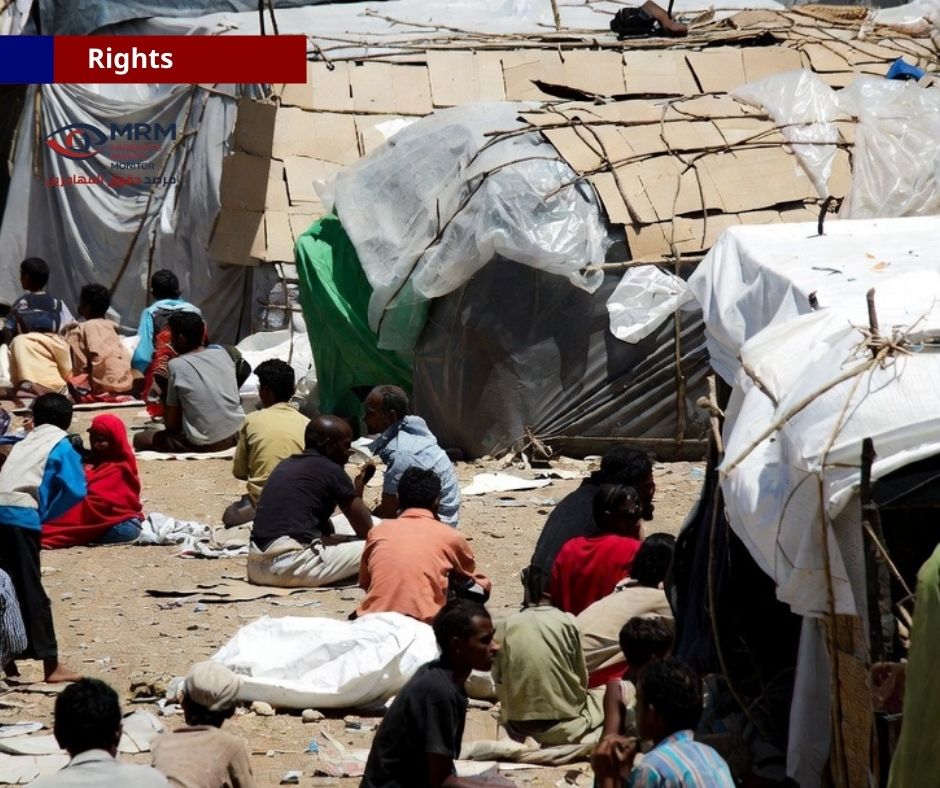
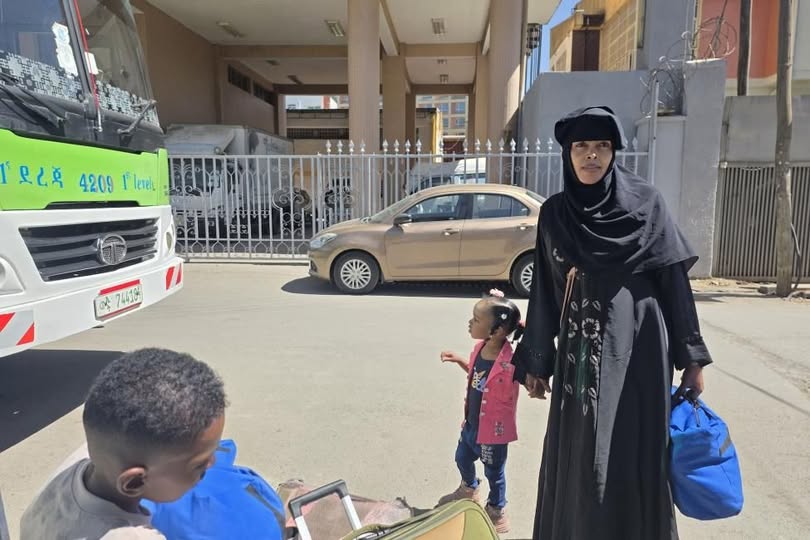
The humanitarian needs of these migrants are immense. Most are young men, but a significant proportion are women and children, who face higher risks of sexual exploitation, abuse, and neglect. Despite these dangers, international attention and funding for regional migration in Yemen remain limited, especially compared with resources allocated to Europe for controlling irregular crossings and asylum systems. The disproportionate focus on “South-to-North” migration often overlooks “South-to-South” flows, where migrants face greater dangers and receive less protection.
The comparison between Yemen and Europe highlights this disparity. While Europe receives extensive media coverage and political attention for irregular migration, Yemen hosts tens of thousands of migrants with minimal international focus, even though the risks are equal or greater. The numbers reveal a stark reality: African migrants attempting to reach Yemen face risks similar to those attempting to enter Europe irregularly, yet their plight rarely makes international headlines.
This situation underscores the urgent need for better protection, increased funding, and immediate humanitarian intervention. Local and international organizations working in Yemen require support to provide shelter, medical care, legal assistance, and protection for the most vulnerable migrants, especially women and children. Donors and governments must recognize that migration crises are not limited to Europe; they exist wherever vulnerable populations are forced to risk their lives in search of safety.
Ultimately, the African migration route to Yemen serves as a stark reminder of the global neglect of South-to-South migration. Raising awareness about these journeys, the dangers migrants face, and the limited international response is critical. By shedding light on this often-overlooked crisis, the international community can mobilize attention, funding, and action to protect some of the world’s most vulnerable migrants.
Sources:
- International Organization for Migration (IOM), Yemen Migration Flow Data, January–December 2025 (yemen.un.org)
- Frontex, European Border and Coast Guard Agency, 2025 Irregular Migration Data (~178,000 crossings) (frontex.europa.eu)
- Reports on humanitarian conditions and migration risks in Yemen (UN, IOM, Human Rights Watch)


Leave a Reply